Double Glazing for Noise Reduction: A Comprehensive Guide
Double glazing, frequently related to energy effectiveness and temperature level regulation, also serves a crucial purpose in sound reduction. In an age where urban living is defined by increasing sound pollution, lots of people are turning to double-glazed windows as a service. This short article explores how double glazing works for noise decrease, its benefits, types, and typical questions concerning its setup and efficacy.
Comprehending Double Glazing
Double glazing involves the installation of 2 panes of glass in a window frame, separated by an area filled with air or gas. This design helps to develop a barrier that reduces sound transmission. Here's an overview of how it operates:
1. Sound Insulation Properties: The air or gas in between the panes acts as an insulating barrier that dampens acoustic waves.
2. Density Variation: The usage of different thicknesses of glass can help in lowering sound as thicker glass can attenuate more sound than thinner choices.
3. Frame Material: The product of the window frame also adds to its soundproofing effectiveness. Frames made from products like vinyl or fiberglass tend to supply much better insulation.
Advantages of Double Glazing for Noise Reduction
Investing in double glazing deals various benefits, especially for those living in noisy environments:
1. Decreased Noise Pollution
Double glazing considerably lowers external sound, making living in busy urban areas more comfy.
2. Improved Comfort
People residing in noisy communities frequently discover that double-glazed windows enhance their comfort levels by providing a quieter indoor environment.
3. Much Better Sleep Quality
A reduction in ambient noise can lead to improved sleep quality, as disturbances from outside are reduced.
4. Increased Property Value
Homes equipped with double glazing are typically more enticing to purchasers. Sound reduction is an important feature that can boost property value.
5. Energy Efficiency
While the primary focus here is sound decrease, double glazing likewise contributes to better thermal insulation, causing lower energy costs.
Kinds Of Double Glazing
There are several types of double-glazed windows readily available, each offering differing levels of sound insulation.
| Type | Description | Noise Reduction Level |
|---|---|---|
| Standard Double Glazing | Two panes of glass with a spacer bar filled with air or Argon gas, ideal for average sound reduction. | Moderate |
| Acoustic Double Glazing | Particularly designed with differing pane densities for improved sound insulation. | High |
| Laminated Double Glazing | This type includes a layer of PVB (polyvinyl butyral) that supplies remarkable noise decrease together with additional security. | Extremely High |
| Triple Glazing | Three panes of glass instead of 2, further boosting noise and thermal insulation. | Extremely High |
Factors Influencing Noise Reduction
When picking double glazing for noise reduction, a number of aspects do enter play:
- Glass Thickness: Thicker glass can substantially minimize higher frequency noises.
- Pane Spacing: A broader gap in between panes might enhance sound insulation.
- Frame Material: Materials like aluminum may carry out sound more than wood or vinyl.
- Sealing Quality: Well-sealed windows avoid sound leaks.
Installation of Double Glazing
The efficiency of double glazing in lowering sound is heavily reliant on correct setup. Here are the steps normally associated with the setup process:
- Assessment: A professional evaluates the current window scenario and figures out the very best double glazing options.
- Choice: Choose the proper type based on individual requirements and ecological elements.
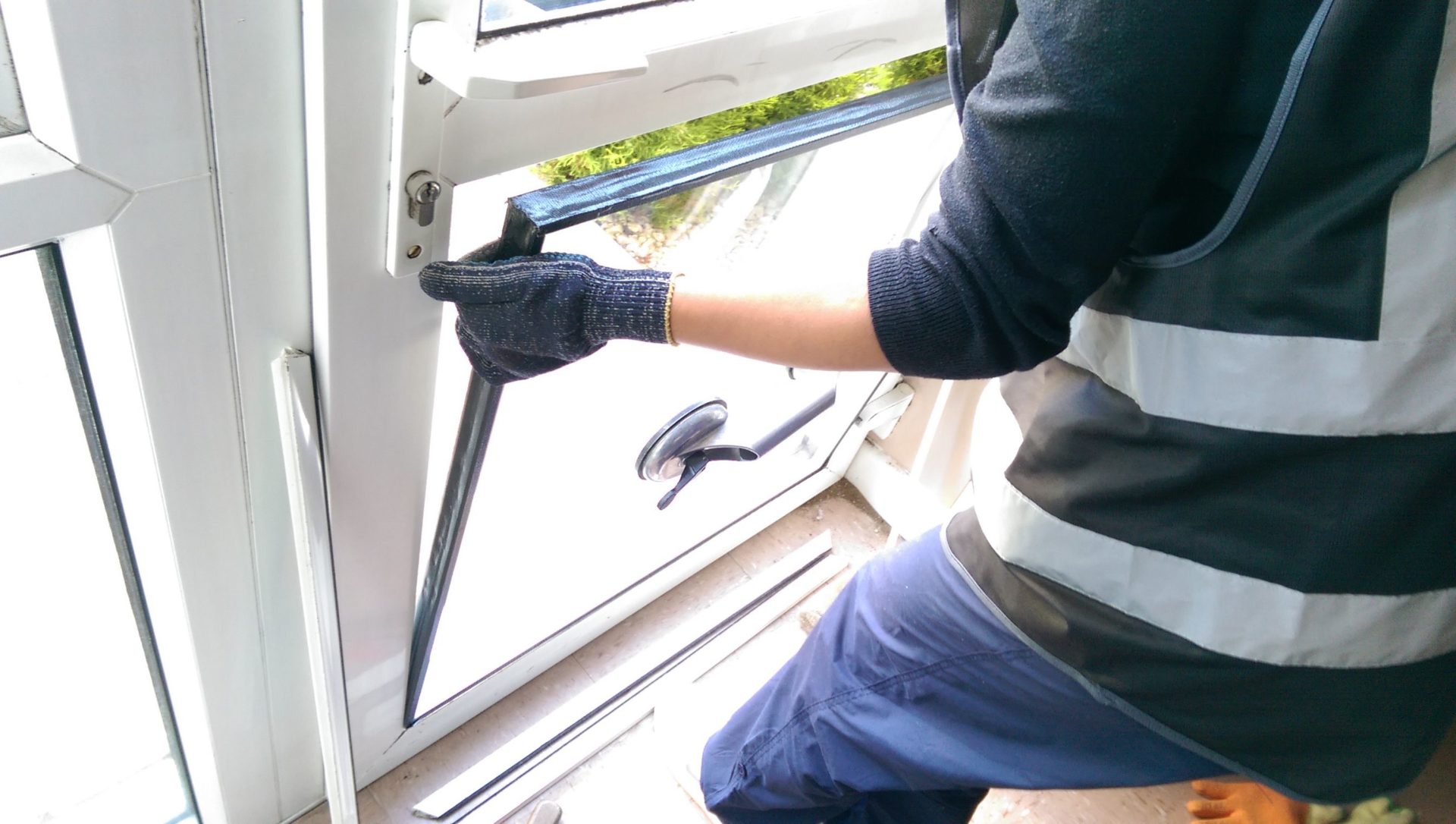
- Removal of Existing Windows: Careful removal of old windows to guarantee the structure is sound.
- Installation of Frames: Secure setup of double-glazed units into the existing frame.
- Sealing: Ensuring all gaps are sealed correctly to avoid sound leakage.
- Final Inspection: A final check to verify that installation satisfies quality standards.
Frequently Asked Questions (FAQs)
Q1: How much sound can double-glazed windows decrease?A: Double-glazed windows can lower sound by about 28 to 32 decibels, making a substantial difference in sound quality.
Q2: Is acoustic double glazing worth the investment?A: For individuals living in particularly noisy areas, the financial investment in acoustic double glazing can provide significant benefits in convenience and wellness.
Q3: Can I set up double glazing myself?A: While DIY setup is possible for those with experience, hiring experts is suggested for optimal sealing and efficiency.
Q4: How does double glazing compare with other soundproofing techniques?A: While double glazing works, combining it with other soundproofing techniques, such as soundproof drapes, can yield even much better outcomes.
Q5: Will my energy bills decrease with double glazing?A: Yes, double glazing usually enhances thermal insulation, leading to decreased energy expenses.
Double glazing is not simply a financial investment in energy effectiveness; it is a practical service for those seeking break from sound contamination. With a variety of choices and benefits, it can markedly enhance living conditions, especially in city settings. Homeowners are motivated to consider their particular requirements and seek advice from with specialists to choose the very best kind of double glazing for their scenario. In repairmywindowsanddoors where solitude can feel like a luxury, double glazing uses a significant way of reclaiming comfort in one's home.